SHAKESPEARE’S BIRTHDAY 23 APRIL WORLD INNOVATION AND CREATIVITY DAY 21 APRIL
Aim: Through the evidence of neuroscience and performance, to encourage drama training and Shakespearean workshops to override early dementia symptoms and preserve brain health.
Discover the inventive power and passion of Shakespeare, how the Bard’s revolutionary language energises the brain
On Shakespeare’s birthday, we examine his timeless insight into human nature and revolutionary use of language that has for decades mesmerised and energised actors and audiences like none other. Shakespeare is said to have invented 1,700 new words. His ‘functional shift’, transforming nouns into verbs, surprises the brain into active thought.. Recognised the world over, Shakespeare widens our vision, to look beyond our concerns, inducing a sense of awe – as our speakers demonstrate through neuroscience and performance.
Who for?
For theatre companies, drama colleges, or if you teach, study or work in the fields of applied theatre, neuroscience, psychology, psychiatry involving arts to preserve brain health, and social prescribing to enable people to access inspirational cultural and creative opportunities to preserve their brain health, identity and confidence among their new communities.
T H E C O N V E R S A T I O N (Online)
‘Shakespeare and Wellness’
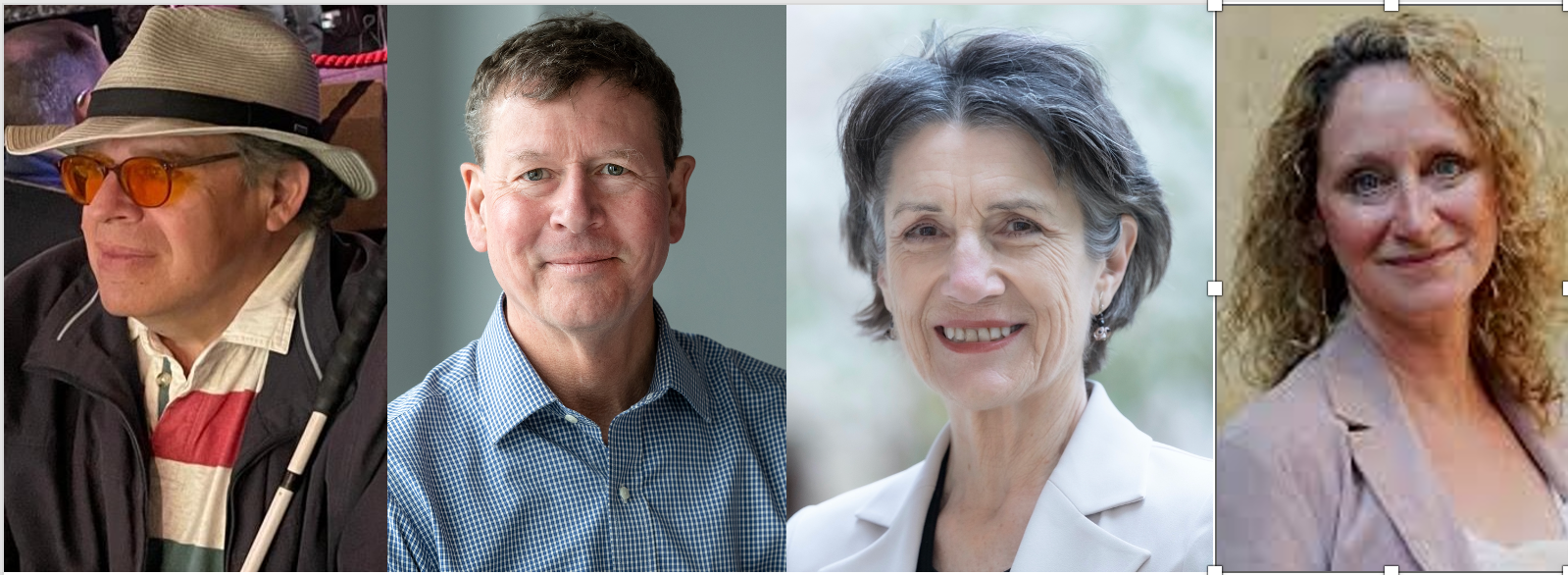
H O S T: Veronica Franklin Gould MBE, founding president of Arts for Dementia and editor of A.R.T.S. for Brain Health: Social Prescribing transforming the diagnostic narrative for Dementia: From Despair to Desire, interviews:
Dr Christopher Bailey is Co-Founding Director of the Jameel Arts and Health Lab at University College London. From 2018 to 2025, he was Arts Lead at the World Health Organisation. His Shakespeare and Wellbeing workshops and performances, Christopher explored the Bard’s references to mental, social, and physical wellbeing. He highlights how engaging with Shakespeare can foster empathy, resilience, and personal healing.
’The Bard on the Brain’
Professor Paul Matthews, OBE, is the Director of the Rosalind Franklin Institute, leading the national research centre in developing innovative imaging and technology for health sciences. He is Professor of Translational Neuroscience at Imperial College London, a Group Leader in the UK Dementia Research Institute and co-author of The Bard on the Brain: Understanding the Mind Through the Art of Shakespeare and the Science of Brain Imaging (2003). Paul explains the neuroscientific impact of Shakespearean insight and language on the brain
spoken by
Dame Harriet Walter DBE, the multi-award-winning Shakespearean actress, has performed in over 20 Shakespeare plays as well as many other great world classics. She is maybe best known for her TV roles in Succession, Killing Eve and The Crown and the film Sense and Sensibility. Her books include Other People’s Shoes, Brutus and Other Heroines, Facing It and She Speaks! What Shakespeare’s Women Might Have Said (2025), Brutus and Other Heroines: Playing Shakespeare’s Roles for Women (2016), Macbeth (Actors on Shakespeare) (2002), Players of Shakespeare 3 (1994, Cambridge University Press).
P A N E L D I S C U S S I O N
Chair Professor Selina Busby,. Selina is Professor of Social and Applied Theatre at the Royal Central School of Speech and Drama, where she leads the MA Applied Theatre course. Her research and practice focus on theatre that invites the possibility of change, both in contemporary plays and in participatory performance. Selina is co-editor of Research in Drama Education: The Journal of Applied Theatre and author of Applied Theatre, A Pedagogy of Utopia(2021). She chairs the discussion with Dame Harriet Walter and Professor Paul Matthews.
Q & A They are joined for the Q&A Central School’s MA Applied Theatre Students: Maria Inès Costa and Reanna Magruda.
‘Social Prescribing route to drama workshops for brain health’
Sian Brand, Chair of the Social Prescribing Network, explains how people can access arts programmes for brain health and other health needs, through social prescribing. With more than 15 years’ experience in local NHS commissioning grounded in public health, Siân possesses extensive expertise in the voluntary and community sector, as well as in health creation. Siân is co-author of the BSc in Health, Wellbeing & Community.
Useful Resources for Shakespeare workshops for Brain Health
Arts for health evidence
- What is the evidence on the role of the arts in improving health and wellbeing? A scoping review (WHO: Health Evidence Network synthesis report 57, 2019).
- Daisy Fancourt, Art Cure, The Science of How the Arts Transform our Health, (2026)
- Creative Health: The Arts for Health and Wellbeing (All-Party Parliamentary Group on Arts Health and Wellbeing Inquiry Report, 2017)
Shakespeare for brain health
- Paul M. Matthews and Jeffrey McQuain, The Bard on the Brain: Understanding the Mind Through the Art of Shakespeare and the Science of Brain Imaging, (2003)
- Harriet Walter, She Speaks! What Shakespeare’s Women Might Have Said (2025)
- Russell Jackson, ed., Players of Shakespeare 3 (2008).
- University of Liverpool, Reading Shakespeare has a dramatic effect on the brain (2006).
- Veronica Franklin Gould, Reawakening the Mind (2013) includes Royal Central School of Speech and Drama MA Applied Theatre A4D programme].
Social prescribing to access Shakespeare and other arts for brain health
- Veronica Franklin Gould, A.R.T.S. for Brain Health: Social Prescribing transforming the diagnostic narrative for Dementia: From Despair to Desire (2021).
- Making Sense of Social Prescribing (2017).
- A Connected Society: a Strategy for Tackling Loneliness (2018).
- The NHS Long Term Plan (2019).
Training, talks, workshops
- Early-stage dementia awareness training for arts facilitators
- Dementia and the arts Sharing Practice, Developing Understanding and Enhancing Lives
- The Globe Talks
- Royal Shakespeare Company: Finding Joy
- Leeds Playhouse: Heydays and Our Time
- Southwark Playhouse: Elders Company
- Find and List drama workshops to preserve brain health at Arts for Dementia